
Evidence-based tutoring
Smarter tutoring, built on the evidence
Department for Education guidance on tutoring, and the research behind it, points to the same things: qualified tutors, small groups, sessions linked to the curriculum, and regular lessons over time. That is how we work.
Taught by qualified teachers
Every tutor is a qualified UK teacher (QTS or QTLS) with an Enhanced DBS check, so tuition is delivered by people trained to teach the curriculum.
Linked to what is taught in school
Lessons follow the national curriculum and the specification each student is sitting, from AQA, Edexcel (Pearson) or OCR, so tuition supports classwork rather than running alongside it.
Starts from a diagnostic test
Every student begins with a diagnostic test, so lessons target the gaps that matter instead of re-teaching what is already secure.
Regular and sustained
Students meet weekly, one-to-one or in groups of three to five, over a term or longer. Evidence on tutoring points to regular sessions in small groups over a sustained period.
Live and interactive
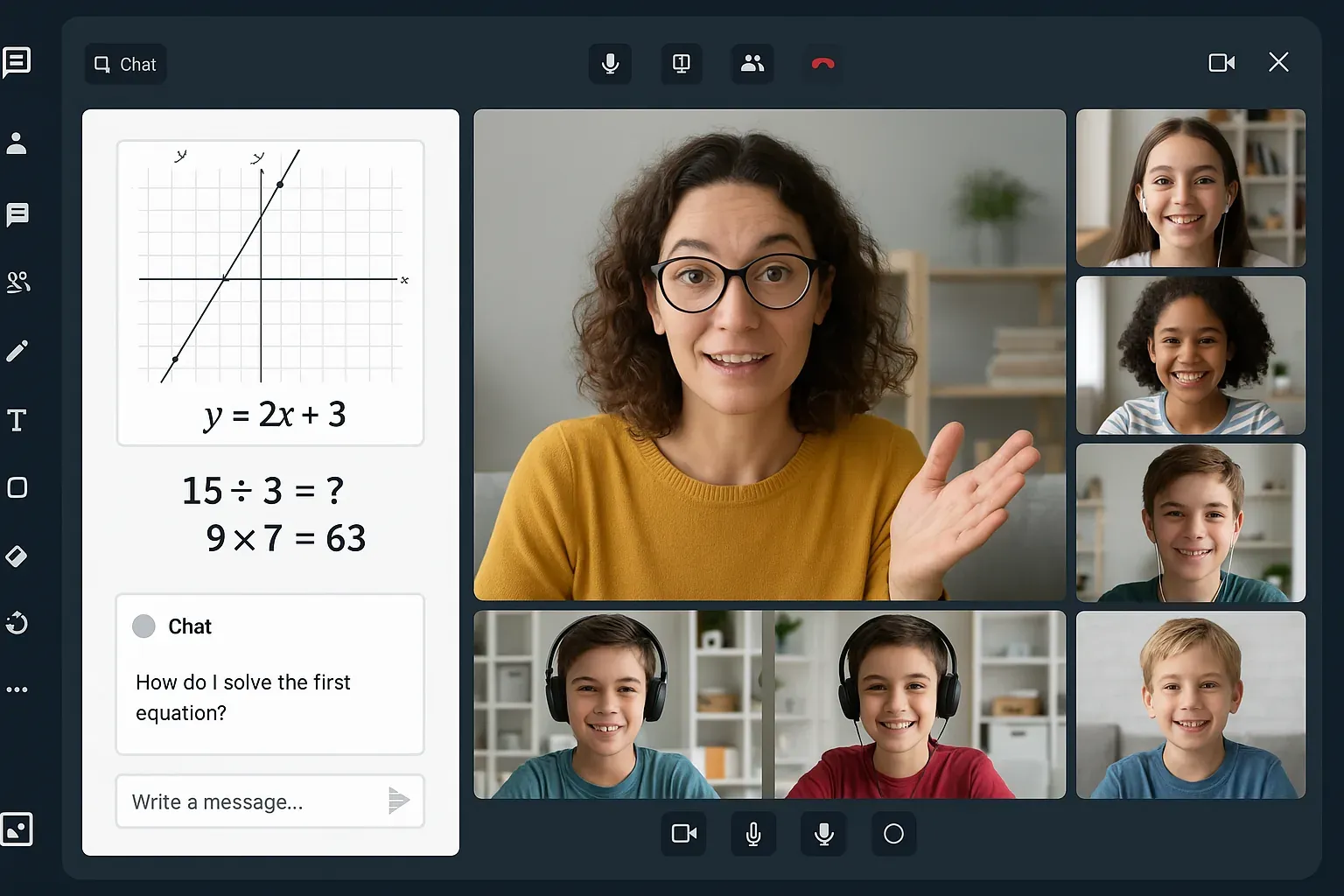
Lessons run live in our own virtual classroom, with a shared whiteboard, annotation and group tasks, and resources available afterwards in the Learning Portal.
Progress shared with families
Parents receive regular updates, so everyone knows what has been covered and what comes next.
What the research says
The Education Endowment Foundation’s Teaching and Learning Toolkit rates one-to-one tuition and small group tuition among the higher-impact approaches schools can use, with the strongest effects when tuition is regular, targeted at specific needs and linked to classroom teaching.
Sources: EEF, One to one tuition · EEF, Small group tuition
See where your child really stands.
Tell us about your child and we will take it from there: a diagnostic test at home, then a conversation about the plan.